
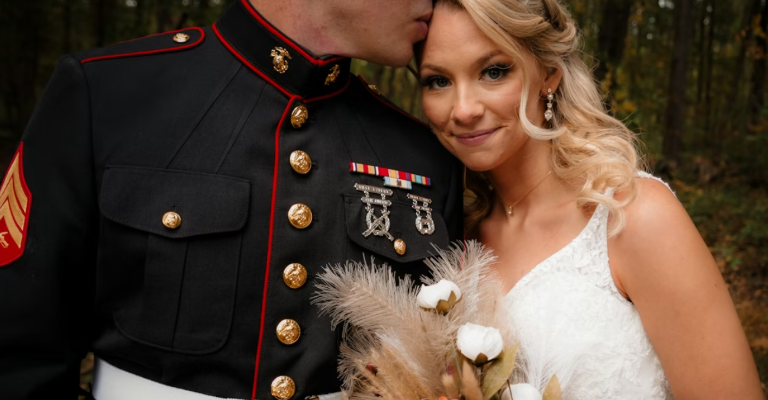
A military wedding carries a weight of meaning that extends beyond tradition and ceremony. It represents commitment not only between two individuals, but also to a lifestyle shaped by duty, mobility, and sacrifice.
The uniforms, rituals, and formalities add dignity, yet a successful military wedding is built on preparation, alignment, and shared values rather than symbolism alone. When approached intentionally, it becomes a strong foundation for a resilient military marriage.
Planning With Military Realities in Mind
Military schedules are unpredictable. Deployments, training cycles, sudden relocations, and last-minute orders can disrupt even the most carefully planned events. Flexibility must be built into the wedding planning process from the start.
Choosing vendors who understand military timelines, securing refundable arrangements where possible, and preparing contingency plans reduce stress. A successful military wedding accepts uncertainty without allowing it to undermine the meaning of the day.
Honoring Tradition Without Losing the Personal Connection
Military weddings are rich with tradition, from uniform protocols to ceremonial swords and formal processions. While these elements add honor and structure, balance is essential.
The ceremony should reflect the couple’s identity and values, not feel like a performance dictated solely by protocol. Thoughtful personalization within military guidelines allows tradition to enhance the experience rather than overshadow the relationship itself.
The Role of a Wedding Pastor in a Military Marriage
A wedding pastor plays a particularly important role in a military wedding. Beyond officiating the ceremony, an experienced wedding pastor who understands military life can speak directly to the realities of service-based marriage. This includes long separations, emotional strain, reintegration after deployment, and the importance of faith, communication, and trust under pressure.
A pastor familiar with military marriage can frame the vows with realism rather than idealism alone. Their guidance emphasizes endurance, mutual support, and shared purpose, grounding the ceremony in principles that sustain the relationship long after the wedding day. Pre-marital counseling offered by a wedding pastor is especially valuable, helping couples align expectations and develop strategies for navigating military-specific challenges.
Preparing for Life Beyond the Ceremony
A successful military marriage looks beyond the event itself. The transition into married life within a military structure requires preparation in areas such as housing, benefits, healthcare, finances, and relocation logistics. Addressing these matters early prevents confusion and resentment later. Clear communication about roles, responsibilities, and long-term goals strengthens the partnership from the outset.
Emotional readiness is equally important. Military marriages often require one partner to shoulder additional responsibilities during deployments or training periods. Open discussions about independence, emotional support systems, and coping mechanisms create resilience. Preparation is not pessimism; it is respect for reality.
Building a Support Network
No military marriage thrives in isolation. Family, fellow service members, spouses’ groups, faith communities, and mentors all contribute to long-term stability. A wedding that intentionally acknowledges this broader support network reinforces the idea that marriage is sustained by community as well as commitment. Involving trusted individuals in the ceremony or pre-marital process strengthens accountability and connection.
Financial and Legal Alignment
Military benefits, pay structures, and legal considerations differ significantly from civilian systems. Ensuring that both partners understand entitlements, responsibilities, and legal protections is essential. Aligning on financial priorities, budgeting for periods of reduced income during transitions, and planning for long-term security reduces conflict and uncertainty. Practical alignment is a form of mutual respect.