

Women’s winter dresses offer an easy way to create warm, polished outfits without giving up the versatility and femininity of a dress. Modern winter fashion includes everything from cozy sweater dresses and long-sleeve midi styles to velvet, leather, lace, and layered silhouettes. For the 2026 season, fashion coverage highlights thicker fabrics, layered styling, romantic details, structured shapes, and expressive colors as important directions for cooler-weather dressing.
Why Winter Dresses Are a Useful Wardrobe Choice
Dresses are often associated with spring and summer, but the right materials and styling make them practical throughout colder months. A winter dress can become the foundation of an outfit, with boots, tights, coats, scarves, jackets, and knitwear added according to the temperature.
One advantage of dresses is that they create a complete outfit from a single main garment. Instead of coordinating separate tops and bottoms, you can select one dress and build the rest of the look around it.
Winter dresses can also work across different occasions. A knitted midi dress can be appropriate for everyday activities, while a velvet or lace design can create a more formal evening outfit.
Benefits of Wearing Dresses in Winter
- Easy to style with layers
- Suitable for casual and formal occasions
- Available in warm fabrics
- Works with boots and winter accessories
- Creates a polished one-piece outfit
- Can be adapted for different temperatures
- Available in many lengths and silhouettes
- Suitable for work, weekends, dinners, and events
Popular Winter Dress Styles
Winter fashion provides a wide selection of silhouettes. The best choice depends on your preferred appearance, climate, occasion, and layering needs.
Sweater Dresses
Sweater dresses remain one of the most practical cold-weather choices. They combine the comfort of knitwear with the simplicity of a one-piece outfit.
For a contemporary look, consider a high-neck design, long sleeves, a streamlined silhouette, or a quality wool or cashmere blend. Current 2026 fashion coverage continues to highlight elevated sweater dresses as a major cold-weather option.
Sweater dresses can be worn with ankle boots for an everyday outfit or taller boots and a structured coat for a more polished appearance.
Midi Dresses
Midi dresses fall around the calf and provide substantial coverage while maintaining a feminine silhouette. They work particularly well with boots and layered outerwear.
A fitted midi can create a streamlined appearance, while a relaxed or pleated design offers more movement.
Maxi Dresses
Maxi dresses provide additional coverage and can be especially useful in colder climates. A long-sleeve maxi in a heavier fabric can work with boots, a coat, and warm accessories.
Current winter fashion reporting has highlighted longer dresses, lace details, and dramatic silhouettes as part of the seasonal conversation.
Long-Sleeve Dresses
Long sleeves are one of the simplest ways to make a dress more suitable for colder weather. Depending on the fabric, a long-sleeve dress can work alone indoors or become the base layer for a heavier winter outfit.
Velvet Dresses
Velvet brings texture and visual richness to winter dressing. It is particularly useful for evening events, celebrations, parties, and formal dinners.
A velvet dress can often require fewer accessories because the fabric itself provides visual interest.
Leather and Faux-Leather Dresses
Leather and faux leather offer a structured alternative to softer knitwear. They can be styled with boots, tights, long coats, or tailored jackets.
Leather is also appearing prominently in fall 2026 fashion coverage, making it a relevant option for contemporary winter wardrobes.
Best Fabrics for Winter Dresses

Fabric plays an important role in determining how comfortable a dress will be during cold weather. A beautiful silhouette may not be practical if the material is too lightweight for the environment.
| Fabric | Warmth | Best Use | Styling Character |
|---|---|---|---|
| Wool | High | Cold weather | Classic and refined |
| Cashmere | High | Premium everyday wear | Soft and luxurious |
| Wool blend | Medium to high | Everyday winter outfits | Versatile |
| Knit | Medium to high | Casual and office looks | Comfortable |
| Velvet | Medium | Parties and evenings | Rich and elegant |
| Corduroy | Medium | Casual outfits | Textured and relaxed |
| Leather | Medium | Fashion-forward outfits | Structured |
| Faux leather | Medium | Evening and casual looks | Modern |
| Thick jersey | Medium | Everyday wear | Comfortable |
For especially cold weather, layering remains more important than relying on a single thick garment.
How to Style a Winter Dress
Styling a dress for winter is primarily about combining warmth with proportion. Accessories should protect you from the weather while complementing the shape and material of the dress.
Add Tights
Tights are one of the easiest ways to make shorter or midi dresses more suitable for cold temperatures. Opaque tights provide greater coverage and can create a streamlined appearance.
For a classic outfit, black tights work with many dress colors. For a more contemporary approach, textured or subtly patterned tights can add interest.
Wear Boots
Boots are naturally suited to winter dresses. Ankle boots can work with shorter and midi dresses, while knee-high or tall boots can provide additional coverage.
The proportions of the dress and boots can change the overall appearance considerably.
Layer With a Coat
A structured coat can make a simple winter dress look more sophisticated. Long wool coats work particularly well with midi and maxi dresses.
For casual outfits, a shorter jacket can create a more relaxed appearance.
Add a Scarf
A scarf provides warmth and can introduce another color or texture. Chunky knit scarves suit casual sweater dresses, while lightweight wool scarves can complement more formal outfits.
Winter Dress Colors
Color choices can completely change the personality of a winter outfit. Traditional cold-weather wardrobes often include black, navy, gray, brown, burgundy, forest green, and cream.
However, winter dressing does not need to be limited to dark colors.
Current 2026 fashion coverage has highlighted bold colors such as cobalt blue alongside neutrals and richer seasonal tones.
| Color Family | Style Effect | Good Pairings |
|---|---|---|
| Black | Classic and versatile | Black, gray, burgundy |
| Burgundy | Rich and seasonal | Cream, brown, black |
| Forest green | Sophisticated | Tan, brown, black |
| Navy | Refined | Camel, gray, white |
| Cream | Soft and elegant | Brown, beige, black |
| Chocolate brown | Warm and modern | Cream, tan, burgundy |
| Cobalt blue | Bold and contemporary | Black, gray, silver |
| Plum | Dramatic | Black, cream, brown |
The best color depends on personal style and the occasion rather than a strict seasonal rule.
Winter Dresses for Different Occasions
A useful winter wardrobe should contain dresses for more than one type of event.
Everyday Casual Wear
For everyday activities, prioritize comfort and practicality. Sweater dresses, thick jersey dresses, relaxed midi dresses, and simple long-sleeve designs can work well.
Pair them with comfortable boots, a warm coat, and a practical bag.
Office Wear
For professional settings, structured midi dresses, knitted dresses, shirt dresses, and tailored silhouettes can create polished outfits.
Keep the overall appearance balanced with simple accessories, appropriate footwear, and a structured outer layer.
Dinner and Evening Events
Velvet, lace, satin layered under warm outerwear, and embellished designs can work for evening occasions.
A long coat, elegant boots, and understated jewelry can help create a sophisticated winter look.
Holiday Parties
Holiday dressing allows more room for texture and decorative details. Velvet, metallic accents, lace, sequins, and rich colors can create festive outfits.
The key is to balance statement elements with practical winter layers.
Layering Winter Dresses
Layering is one of the most important skills for cold-weather dressing. It allows you to adapt the same dress to different temperatures.
A simple layering formula can include:
Base layer + dress + coat + boots + accessories
For example, a fitted thermal top can be worn beneath a sleeveless dress, followed by a long wool coat. Tights and boots complete the outfit.
Another approach is to place a fitted turtleneck underneath a sleeveless or slip-style dress. This transforms a warmer-weather silhouette into a winter outfit.
Current fashion reporting continues to emphasize layered dressing as an important part of 2026 seasonal styling.
Choosing the Right Winter Dress for Your Body and Style
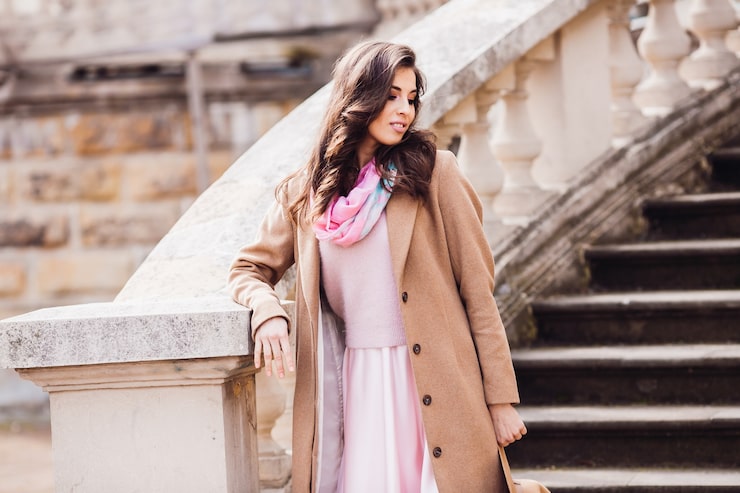
There is no single dress silhouette that works for everyone. Comfort, proportions, personal preference, and intended use are more important than following a particular trend.
For a Defined Waist
Wrap dresses, belted sweater dresses, and fitted styles can emphasize the waist.
For a Relaxed Silhouette
Shift dresses, oversized sweater dresses, and straight-cut midi dresses provide more room and a less structured appearance.
For Added Height
Monochromatic outfits and longer vertical lines can create a streamlined visual effect. Tall boots under a midi or maxi dress can reinforce that effect.
For More Movement
Pleated, A-line, and softly gathered dresses can provide a flowing silhouette while remaining practical for winter.
Sustainable Winter Wardrobe Choices
A winter wardrobe does not need dozens of dresses. Choosing versatile pieces that can be styled in multiple ways can make a collection more practical.
Consider purchasing dresses that work with different coats, boots, scarves, and accessories.
Quality construction and durable materials can also help a dress remain useful across multiple seasons.
Fashion coverage in 2026 continues to place attention on practicality and sustainability alongside visual appeal, particularly through durable materials and adaptable styling.
Build a Versatile Collection
A practical winter dress wardrobe might include:
- One neutral sweater dress
- One versatile midi dress
- One elegant evening dress
- One statement-color dress
- One textured dress
- One relaxed everyday style
These pieces can create many outfits when combined with different layers and accessories.
Winter Dress Shopping Checklist
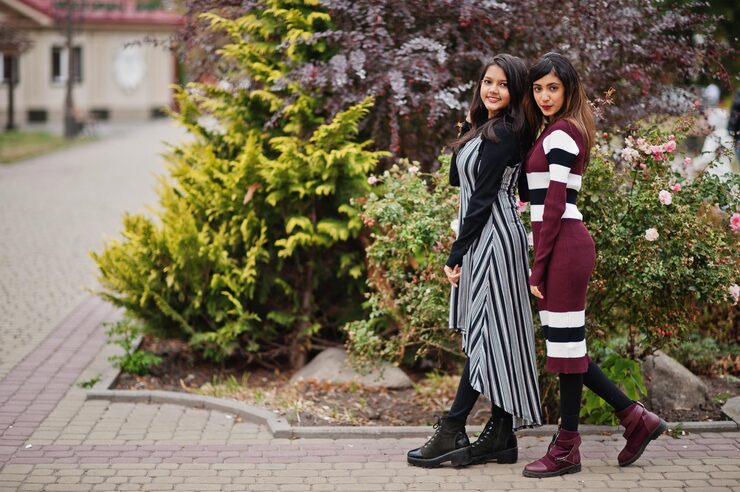
Before purchasing a dress, consider the following:
- Is the fabric appropriate for your climate?
- Can you layer underneath it?
- Does it work with your existing boots?
- Can you wear it for more than one occasion?
- Is the length comfortable?
- Does the neckline work with winter scarves and coats?
- Is the fabric easy to maintain?
- Can the dress be worn across multiple seasons?
- Does the color coordinate with your wardrobe?
- Is the fit comfortable when layered?
Thinking about these questions can help prevent impulse purchases that remain unused.
Key Points to Remember
- Winter dresses can combine warmth, comfort, and style.
- Sweater dresses are practical for everyday cold-weather outfits.
- Midi and maxi dresses provide additional coverage.
- Velvet and leather work well for more fashion-forward winter looks.
- Wool, cashmere, knit, and blended fabrics can provide warmth.
- Tights and boots make many dresses more winter-friendly.
- Layering allows dresses to work across different temperatures.
- Neutral colors provide versatility, while bold shades can create statement outfits.
- Cobalt blue and expressive silhouettes are among the notable 2026 fashion directions.
- Choosing versatile dresses can make a winter wardrobe more practical and sustainable.
Frequently Asked Questions
1. What type of dress is best for winter?
Sweater dresses, wool-blend dresses, long-sleeve midi dresses, and other styles made from warmer fabrics are practical winter choices. The best option depends on the local climate and how much layering you need.
2. Can I wear a dress in very cold weather?
Yes. A dress can be worn in cold weather when combined with suitable layers such as thermal clothing, tights, boots, sweaters, scarves, and a warm coat. The fabric and construction of the dress also matter.
3. What shoes look best with winter dresses?
Boots are among the most versatile choices. Ankle boots, knee-high boots, and other winter footwear can work with different dress lengths and silhouettes.
4. Are sweater dresses still fashionable in 2026?
Yes. Sweater dresses remain a prominent winter option, particularly when made from elevated materials and styled with modern proportions, high necklines, boots, and structured outerwear.
5. What colors are popular for winter dresses in 2026?
Traditional colors such as black, brown, burgundy, cream, and navy remain versatile, while fashion coverage for 2026 also highlights stronger colors such as cobalt blue and more expressive silhouettes.