
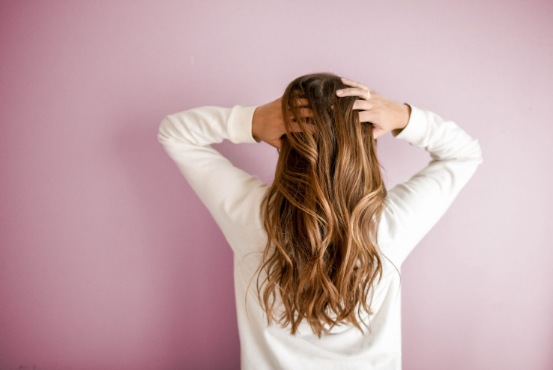
Hair condition reflects how well the scalp, follicles, and individual strands are being cared for over time. Unlike skincare where results can appear within days, hair health is cumulative — the condition of hair today is largely the result of care decisions made over the past several months. Building a routine based on the specific needs of the hair’s porosity, texture, and chemical treatment history produces better results than following generic advice developed for a different hair profile.
Understand Your Hair Type Before Choosing Products
Hair care products are formulated for specific characteristics — porosity, density, curl pattern, and chemical treatment history all influence which products will absorb, coat, or weigh down the hair. Using a moisturizing shampoo formulated for coarse, dry hair on fine, naturally oily hair will leave residue and reduce volume. Using a clarifying shampoo weekly on color-treated hair strips protective pigment and causes fading. Reading ingredient lists and understanding what each formulation is designed to do allows more accurate product selection than relying on marketing claims or packaging aesthetics.
Establish a Washing Routine with Guidance from a Hair Salon
How often hair is washed depends on scalp oil production, activity level, hair texture, and styling product use. Washing too frequently strips natural oils that lubricate and protect the hair shaft. Washing too infrequently allows product buildup and sebum accumulation that blocks follicles and reduces hair health over time. Identifying the frequency that keeps the scalp clean without stripping protection requires a few weeks of adjustment and observation. A professional hair salon can also help assess your hair and scalp type, making it easier to create a washing routine that supports healthy, strong hair.
Prioritize Deep Conditioning Treatments
Regular conditioning after every wash maintains moisture and reduces mechanical damage from styling and manipulation. Deep conditioning treatments penetrate more deeply and deliver benefits that rinse-out conditioners cannot achieve alone. Heat-assisted conditioning using a plastic cap and natural body heat or a dedicated heat tool increases absorption and produces noticeably improved texture. Hair that receives regular deep conditioning breaks less frequently, detangles more easily, and holds style longer than hair maintained with surface-level conditioning alone.
Reduce Heat Styling Damage
Heat tools are among the primary contributors to hair damage when used without protective products and at excessive temperatures. Applying a heat protectant to towel-dried hair before any thermal styling reduces the moisture loss and protein degradation that repeated heat exposure causes. Using the lowest effective temperature setting rather than maximum heat prevents the cumulative damage that compresses over time into brittleness, breakage, and split ends. Incorporating air-drying days into the styling rotation gives hair recovery time that reduces the overall thermal load on the strand.
Protect Hair During Sleep and Physical Activity
Cotton pillowcases create friction that roughens the hair cuticle overnight, contributing to frizz, breakage, and moisture loss. Switching to a silk or satin pillowcase, or using a satin bonnet, reduces this friction and preserves the moisture balance achieved during the daytime routine. Securing hair loosely before sleep in a protective style prevents the mechanical stress of unrestrained movement overnight.
Conclusion
Healthy, beautiful hair results from consistent care, appropriate product selection, reduced mechanical and thermal stress, and protective habits built into daily routines. Each element reinforces the others, producing cumulative improvement that reflects the quality of care applied over time rather than any single dramatic intervention.