
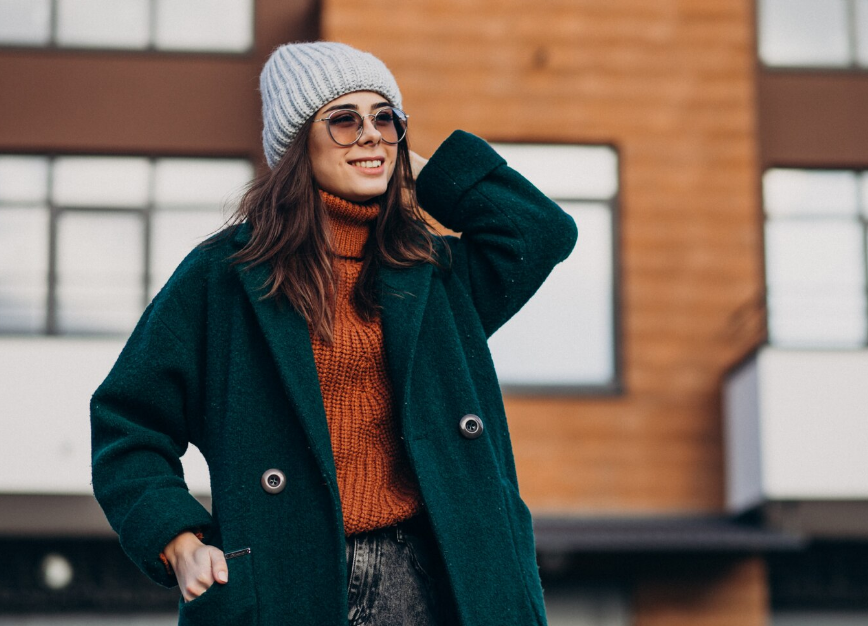
Choosing the right outfits winter style can make cold-weather dressing both comfortable and fashionable. When temperatures fall, clothing needs to provide warmth without sacrificing personal style. The secret is to build looks around practical layers, cozy fabrics, versatile colors, and weather-appropriate footwear. From casual weekend combinations to polished office clothing, there are many ways to create attractive winter looks. Sweaters, coats, jackets, scarves, boots, trousers, and layered dresses can all become valuable parts of a seasonal wardrobe. With thoughtful combinations, even a simple collection of clothing can provide numerous options throughout the colder months.
Understanding the Basics of Winter Dressing
Winter dressing starts with understanding how different layers work together. A good outfit can include a lightweight base layer, a warm middle layer, and an outer layer designed to protect against cold air.
Base layers can include long-sleeve shirts, thermal tops, fitted turtlenecks, or lightweight blouses. Middle layers usually consist of sweaters, cardigans, fleece garments, or blazers. The final layer may be a wool coat, puffer jacket, parka, or another weather-appropriate outer garment.
This approach provides flexibility. If you move between a cold outdoor environment and a heated indoor space, layers can be removed or added as needed. It also prevents the need to wear one extremely heavy garment all day.
Casual Winter Outfit Ideas
Casual winter clothing should be comfortable enough for everyday activities while still looking coordinated. Jeans and sweaters are a classic combination because they work for shopping, casual lunches, travel, and relaxed social occasions.
Straight-leg jeans can be paired with a chunky sweater and ankle boots. For a more relaxed appearance, try a hoodie underneath a puffer jacket with comfortable sneakers or casual boots. Leggings can also work well with an oversized knit sweater and tall boots.
For everyday outfits, neutral colors are especially useful. Black, gray, cream, brown, navy, and beige can easily be mixed together. A colorful scarf, hat, or handbag can then add a small amount of contrast.
Office-Friendly Cold Weather Looks
Professional winter clothing should provide warmth while maintaining a polished appearance. Tailored trousers, knit tops, blazers, and structured coats can create practical office combinations.
A fitted turtleneck paired with wide-leg trousers and a long coat creates a sophisticated silhouette. Alternatively, a fine-knit sweater can be worn with tailored pants and ankle boots.
Dresses can also remain part of professional winter wardrobes. A midi dress combined with opaque tights, boots, and a structured coat can provide coverage without looking overly casual. Adding a belt can help define the silhouette when wearing a looser outer layer.
Layering Sweaters and Shirts
Layering is one of the easiest ways to make winter clothing more versatile. A button-down shirt beneath a sweater creates a classic combination, while a turtleneck beneath a blazer or cardigan provides additional warmth.
When layering, avoid using pieces that are all equally bulky. A thin base layer under a medium-weight sweater and structured coat generally creates a cleaner appearance than several oversized pieces.
Different textures can also make layered outfits more interesting. Smooth cotton, soft knitwear, textured wool-style fabrics, and structured outerwear can create visual contrast even when the colors remain neutral.
Choosing Winter Jackets and Coats
Outerwear often determines the overall character of a winter look. Different coat styles work for different occasions and weather conditions.
Long coats can create an elegant appearance and pair easily with trousers, dresses, and boots. Puffer jackets provide a more casual aesthetic and are suitable for everyday activities. Parkas can be useful in particularly cold environments, while tailored coats work well for professional and formal settings.
Fit is important when choosing outerwear. A coat should provide enough room for the layers underneath without looking excessively oversized. Consider sleeve length, shoulder fit, coat length, and the type of clothing you normally wear.
Boots and Other Winter Footwear
Footwear needs to provide comfort, stability, and appropriate protection from winter conditions. Boots are among the most adaptable choices because they can work with trousers, jeans, skirts, and dresses.
Ankle boots are useful for everyday outfits and can create a clean appearance with straight-leg jeans or tailored trousers. Knee-high boots work especially well with dresses and skirts. Chunky boots can give casual outfits a stronger appearance while providing additional coverage.
In wet or icy conditions, practical features should take priority. Shoes with good traction and weather-resistant materials can make walking more comfortable and safer.
Dresses and Skirts in Winter
Winter does not mean giving up dresses and skirts. With the right layers, these pieces can become useful parts of a cold-weather wardrobe.
Midi dresses can be combined with tights, boots, and long coats. Sweater dresses provide warmth while maintaining a feminine silhouette. Shorter dresses can be worn with thick tights, boots, and layered jackets.
Skirts can also be styled with sweaters and fitted tops. A pleated midi skirt with a tucked knit sweater and ankle boots can create a polished seasonal appearance. For colder days, a long coat and scarf can provide additional coverage.
Winter Accessories That Complete an Outfit
Accessories are both decorative and practical during cold weather. Scarves, gloves, hats, socks, and handbags can add finishing touches while helping provide warmth.
A large knitted scarf can make a simple coat appear more textured and interesting. A beanie creates a relaxed look, while a structured winter hat can provide a more polished appearance.
Gloves should complement the overall outfit rather than being treated as an afterthought. Neutral gloves are versatile, while matching gloves and scarves can create a coordinated appearance.
Belts can also be useful for defining the waist over longer coats or oversized sweaters. Small styling changes like this can significantly alter the appearance of a familiar outfit.
Winter Color Combinations
Seasonal clothing does not have to be limited to dark colors. Neutral shades such as cream, camel, gray, black, beige, and navy provide a strong foundation, while colors such as burgundy, forest green, rust, and deep blue can add personality.
Monochromatic combinations can look especially sophisticated. Wearing several shades of brown, gray, cream, or navy can create a coordinated appearance without requiring complicated styling.
For stronger contrast, combine light and dark shades. A cream sweater with dark trousers and a camel coat, for example, can create a balanced appearance. Accessories can then introduce a small amount of additional color.
Dressing for Different Winter Occasions
The best seasonal wardrobe should work for different parts of daily life. Casual outings may require jeans, sweaters, jackets, and comfortable boots. Work settings may call for tailored trousers, blazers, knitwear, and structured coats.
For dinners and social events, a sweater dress, long coat, and boots can create an elegant combination. For travel, comfort should be prioritized through flexible layers, relaxed trousers, comfortable shoes, and a practical jacket.
Outdoor activities may require specialized cold-weather clothing depending on the temperature and conditions. Choosing clothing according to the activity helps ensure that style does not interfere with comfort.
Key Points to Remember
Effective winter dressing depends on layers rather than simply wearing heavy clothing. Lightweight base pieces, comfortable middle layers, and suitable outerwear allow you to adjust throughout the day.
Versatility is another important consideration. Neutral colors and classic silhouettes can be combined repeatedly, while accessories can make familiar combinations look different.
Footwear should match the weather and activity. Attractive boots are useful, but comfort, traction, and weather resistance can be equally important.
Most importantly, winter fashion should reflect individual preferences. There is no single formula for seasonal dressing. Experimenting with colors, textures, proportions, and accessories can help create a wardrobe that feels personal.
Tips for Creating Better Winter Looks
Begin with dependable wardrobe basics. A few high-quality sweaters, comfortable trousers, jeans, versatile coats, boots, and warm accessories can provide the foundation for many combinations.
Use layering strategically. Thin pieces should generally be placed underneath thicker garments so that the finished outfit does not become unnecessarily bulky.
Pay attention to proportions. If you choose an oversized sweater, try balancing it with more structured or streamlined trousers. If you wear wide-leg pants, a fitted top can create a more defined silhouette.
Keep accessories practical. Scarves, gloves, hats, and warm socks can add style while serving a useful purpose. Choose colors that work with several outfits rather than only one.
Finally, consider the actual climate. Someone living in a mild winter environment may need lighter layers, while people experiencing freezing temperatures may require insulated outerwear and specialized footwear.
Final Thoughts
Creating attractive outfits winter looks is easier when comfort, layering, and personal style are considered together. A versatile collection of sweaters, trousers, coats, dresses, boots, and accessories can provide countless combinations without requiring an oversized wardrobe. Neutral colors make mixing and matching simple, while textures and statement accessories can add personality. Whether dressing for work, casual activities, travel, or social events, the goal is to create clothing combinations that feel comfortable and look coordinated. With thoughtful layering and practical choices, winter dressing can become one of the most enjoyable parts of seasonal fashion.
Frequently Asked Questions
1. What should I wear during winter?
Common winter clothing includes sweaters, jackets, coats, trousers, jeans, boots, scarves, gloves, and warm socks. The best combination depends on the local temperature and activity.
2. How can I make winter clothing look fashionable?
Use layers, coordinated colors, different textures, and well-fitting pieces. Accessories such as scarves, belts, hats, and boots can also make basic clothing look more complete.
3. Can dresses be worn during winter?
Yes. Dresses can be paired with tights, boots, sweaters, jackets, and coats. Sweater dresses and midi dresses are particularly versatile for cold weather.
4. What shoes are best for winter outfits?
Boots are generally versatile for winter. Ankle, knee-high, and chunky styles can all work depending on the outfit. In difficult weather, prioritize traction, comfort, and weather resistance.
5. How can I avoid looking bulky when layering?
Start with thin base layers and gradually add warmer pieces. Combining fitted and relaxed garments can also help maintain a balanced silhouette while providing adequate warmth.