
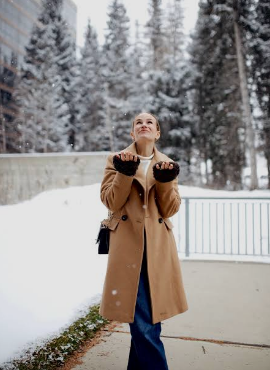
When temperatures drop, dressing well becomes a balance between comfort, warmth, and personal style. The right winter outfits can help you stay cozy without making your wardrobe feel boring or repetitive. From casual layers and warm knitwear to polished coats and practical boots, cold-weather fashion offers plenty of ways to create attractive looks. Whether you are getting ready for work, a weekend outing, a festive gathering, or a relaxed day at home, thoughtful layering can make a major difference. Understanding colors, fabrics, proportions, and accessories also makes it easier to build outfits that look stylish while providing enough protection from chilly weather.
Why Winter Fashion Requires Thoughtful Layering
Winter clothing is not simply about wearing the thickest garments available. Effective layering allows you to adjust your clothing according to changing temperatures throughout the day. A lightweight base layer can provide comfort, while a sweater or cardigan adds insulation. A coat or jacket can then provide an additional barrier against cold air.
Layering also creates more opportunities to experiment with style. Combining different textures, lengths, and materials can make a simple outfit look more sophisticated. For example, a fitted turtleneck under a relaxed blazer and long coat can create a polished appearance without excessive bulk. Similarly, a basic sweater can become more interesting when paired with a scarf, structured trousers, and ankle boots.
Casual Winter Looks for Everyday Wear
Casual clothing is often the foundation of a cold-weather wardrobe. Jeans, sweaters, hoodies, long-sleeve tops, and comfortable jackets can be combined in countless ways for everyday activities.
For a simple daytime look, try straight-leg jeans with a chunky knit sweater and ankle boots. A long wool-style coat can add warmth while making the outfit look more refined. For a more relaxed appearance, jeans can be paired with a sweatshirt, puffer jacket, and sneakers.
Leggings can also work well during colder months when paired with an oversized sweater and tall boots. The combination provides comfort while maintaining a balanced silhouette. Neutral shades such as black, gray, cream, navy, and brown make casual pieces especially versatile because they can be mixed with brighter accessories.
Stylish Winter Outfits for Work
Cold weather does not mean professional clothing needs to become uncomfortable. The key is to choose warm fabrics and structured pieces that maintain a polished appearance.
Tailored trousers can be worn with fitted knit tops, turtlenecks, or lightweight sweaters. Adding a blazer underneath a longer coat provides additional warmth while maintaining a professional shape. For dresses and skirts, opaque tights and knee-high boots can provide extra coverage.
A monochromatic outfit can be particularly effective for the workplace. Different shades of the same color can create a sophisticated appearance without requiring complicated styling. For example, charcoal trousers, a medium-gray sweater, and a dark-gray coat can create a coordinated look.
Accessories should also remain practical. A structured handbag, simple scarf, understated jewelry, and leather-style boots can complete the outfit without overwhelming it.
Cozy Knitwear for Cold Days
Knitwear is one of the most useful categories in a cold-weather wardrobe. Sweaters are available in different weights, shapes, and textures, making them suitable for both casual and dressier outfits.
Oversized sweaters create a relaxed appearance and work particularly well with slim trousers, straight jeans, or leggings. Fitted knit tops can be layered under jackets and coats without adding unnecessary bulk. Cardigans provide flexibility because they can easily be opened or removed when temperatures change.
Turtlenecks are another useful option because they provide additional coverage around the neck. They can be worn alone with trousers or layered beneath dresses, blazers, or coats. Cable-knit, ribbed, and textured sweaters can also add visual interest to otherwise simple outfits.
Choosing the Right Winter Coat
A coat often becomes the most visible part of a cold-weather outfit, so selecting the right style can have a significant impact on the overall appearance.
Long coats can create an elegant silhouette and work well with dresses, trousers, and boots. Puffer jackets are generally associated with casual styling and can provide substantial warmth. Trench-inspired coats can offer a more polished look, while shorter jackets may be practical for active days.
When choosing a coat, consider more than appearance. The length, insulation, fit, weather conditions, and clothing you plan to layer underneath all matter. A coat that looks attractive but is too tight to accommodate a sweater may not be practical.
Neutral outerwear tends to provide the greatest versatility, but a colorful coat can also become a statement piece. If most of your wardrobe consists of neutral colors, a burgundy, forest green, camel, or deep blue outer layer can introduce variety.
Winter Dresses and Skirt Styling
Dresses and skirts can remain part of a cold-weather wardrobe when combined with appropriate layers. Sweater dresses are particularly useful because they combine the appearance of a dress with the comfort of knitwear.
Midi and maxi dresses can be paired with long coats and boots for an elegant cold-weather look. Shorter dresses can be worn with tights, ankle boots, and layered jackets. Pleated skirts can also work well with sweaters and fitted tops.
When styling dresses in colder weather, consider proportions carefully. A bulky sweater combined with a very loose skirt may create excessive volume. Pairing one relaxed piece with a more fitted item can produce a more balanced silhouette.
Footwear That Completes a Winter Look
Shoes have both a practical and visual role during winter. Boots are among the most versatile choices because they can be worn with jeans, trousers, skirts, and dresses.
Ankle boots are suitable for everyday outfits and can easily transition between casual and semi-formal settings. Knee-high boots work well with dresses, skirts, and slim trousers. Chunkier boots can create a more casual appearance while providing additional coverage.
For wet or snowy conditions, footwear should be selected according to traction and water resistance rather than appearance alone. Comfortable socks can also make a significant difference during long periods outdoors.
Accessories That Add Warmth and Personality
Accessories can transform basic clothing into a complete outfit. Scarves, hats, gloves, belts, and handbags can provide warmth while adding personality.
A large scarf can add texture to a simple coat. Beanies can create a relaxed appearance, while structured wool-style hats can provide a more polished effect. Gloves are especially useful when temperatures become uncomfortable, and leather-style or knitted options can complement different clothing styles.
Belts can also help define the waist when wearing oversized coats or sweaters. A simple belt around a long coat can change the silhouette and make a relaxed outfit appear more structured.
Color Combinations for Winter Dressing
Winter wardrobes often rely on darker shades, but there is no need to limit clothing to black and gray. Cream, beige, camel, burgundy, olive, navy, chocolate brown, and muted blue can create attractive cold-weather combinations.
For a sophisticated appearance, combine neutral shades such as cream and camel. For stronger contrast, try black with burgundy or navy with cream. Earthy tones can create a warm visual effect that works particularly well with textured knitwear.
Accessories provide an easy way to introduce brighter colors without changing an entire outfit. A colorful scarf or handbag can add personality to an otherwise neutral combination.
Key Points to Remember
Good cold-weather dressing begins with practical layering. Lightweight base pieces, warm middle layers, and suitable outerwear can provide flexibility throughout the day. Choosing versatile colors makes it easier to create multiple combinations from a smaller wardrobe.
Comfort should also remain a priority. Clothing that restricts movement or creates excessive bulk can make everyday activities difficult. Fabrics should be selected according to the weather, and footwear should provide adequate support and traction.
Personal style is equally important. Winter clothing does not need to look identical from one day to another. Mixing proportions, textures, colors, and accessories can keep the wardrobe interesting throughout the season.
Tips for Creating Better Winter Looks
Start with a small collection of versatile basics rather than purchasing many trend-focused pieces. A few quality sweaters, comfortable trousers, dependable jeans, practical boots, and a well-fitting coat can form the foundation of many outfits.
Pay attention to proportions when layering. If the outer layer is oversized, consider a more streamlined base. If the coat is fitted, slightly looser knitwear can provide comfortable layering.
Use accessories to change familiar outfits. The same sweater and jeans can look completely different with a scarf, boots, coat, and handbag in another combination.
Finally, consider your daily environment. Someone commuting outdoors will have different clothing requirements from someone working primarily indoors. Dressing for actual weather conditions ensures that style remains practical.
Final Thoughts
Building stylish cold-weather clothing does not require a completely new wardrobe every season. With versatile layers, comfortable knitwear, suitable coats, dependable footwear, and carefully selected accessories, you can create many attractive looks from a relatively small collection of clothing. The best winter outfits combine warmth, comfort, practicality, and individual style. By experimenting with textures, proportions, colors, and layering techniques, you can keep your seasonal wardrobe fresh while remaining prepared for changing temperatures and different occasions.
Frequently Asked Questions
1. What are the most useful winter clothing pieces?
Useful pieces include sweaters, thermal or lightweight base layers, coats, jackets, jeans, trousers, boots, scarves, gloves, and warm socks. These items can be combined in many different ways.
2. How can I look stylish while wearing layers?
Balance proportions by combining fitted and relaxed pieces. For example, an oversized sweater can work well with straight or slim trousers, while a fitted top can be layered beneath a larger coat.
3. What colors work well for winter clothing?
Black, gray, cream, beige, camel, navy, burgundy, brown, olive, and deep blue are versatile choices. Brighter colors can be introduced through accessories or statement outerwear.
4. Are dresses suitable for cold weather?
Yes. Dresses can be paired with tights, sweaters, coats, scarves, and boots to create comfortable cold-weather looks. Sweater dresses are especially suitable for lower temperatures.
5. How can I make a small winter wardrobe more versatile?
Choose neutral and coordinating pieces that can be layered together. A few sweaters, trousers, jeans, coats, boots, and accessories can create many different combinations when styled with different proportions and textures.
1 Comment
[…] Read more: Winter Outfits: Stylish and Practical Ideas for Every Cold-Weather Occasion […]