
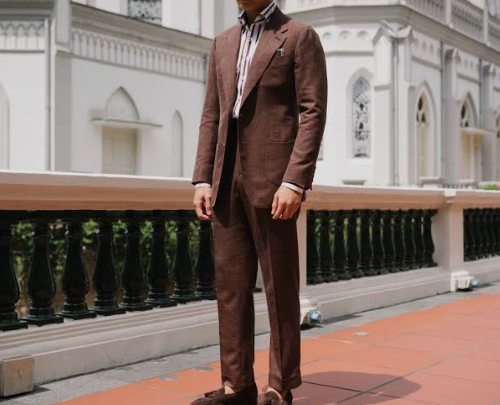
Two piece suits remain a versatile choice for men who want a polished and coordinated appearance for work, formal events, celebrations, and everyday occasions that call for a refined look. Consisting of a matching jacket and trousers, this classic combination offers plenty of flexibility in terms of color, fabric, fit, and styling. A well-chosen suit can create a sharp silhouette while allowing the wearer to adapt accessories and shirts to suit different settings. Understanding fit, fabric, construction, color, and occasion can make it easier to choose a suit that looks comfortable, appropriate, and timeless.
What Is a Two Piece Suit
A two piece suit traditionally consists of a matching suit jacket and a pair of trousers made from the same fabric. Unlike a three-piece suit, it does not include a waistcoat.
The simplicity of the design makes it suitable for a wide range of occasions. Depending on the fabric, color, cut, and accessories, the same basic suit style can work for business meetings, weddings, dinners, interviews, and other social events.
The jacket and trousers are designed to complement each other in color, texture, and construction. This creates a coordinated appearance without requiring complicated styling.
Why Two Piece Suits Are Popular
One of the biggest advantages is versatility. A suit can be worn as a complete outfit for formal occasions, while the individual pieces can sometimes be incorporated into less formal outfits.
The jacket can be paired with different trousers when appropriate, while the trousers may work with a smart shirt or knitwear depending on their design.
Two-piece designs are also available in a wide variety of cuts and materials. This allows people to find options suitable for different climates, body shapes, professions, and personal styles.
Choosing the Right Fit
Fit is one of the most important factors when selecting a suit. A high-quality fabric cannot compensate for a poorly fitting jacket or trousers.
The shoulder seams should sit close to the natural edge of the shoulders without extending significantly beyond them. The jacket should close comfortably without excessive pulling across the chest.
Sleeve length should allow a small amount of shirt cuff to show in many traditional styling approaches. Trousers should sit comfortably around the waist and have an appropriate break at the shoes.
A tailored fit does not necessarily mean an extremely tight fit. Comfort and freedom of movement remain important.
Understanding Suit Jacket Styles
Suit jackets can differ in their number of buttons, lapel shapes, pocket styles, and overall cut.
A two-button jacket is a common and versatile choice. Single-breasted jackets generally provide a straightforward silhouette suitable for many occasions.
Lapel styles can also influence the appearance. Notch lapels are widely used, while peak lapels can create a more pronounced formal appearance.
The best choice depends on the occasion and the wearer’s preferences rather than following one universal rule.
Choosing the Right Fabric
Fabric affects the suit’s appearance, comfort, durability, and suitability for different temperatures.
Wool is widely used because it can provide a combination of breathability, structure, and durability. Different wool weights are available for different seasons.
Cotton and linen can provide lighter options for warm weather, although they may wrinkle more easily.
Blended fabrics can combine properties from different materials and may provide practical benefits for regular wear.
Consider the climate and intended use before choosing a fabric. A heavy material may be uncomfortable in hot weather, while an extremely lightweight fabric may not provide the desired structure for certain formal occasions.
Selecting the Right Color
Color should reflect both the occasion and the versatility you want from the suit.
Navy and charcoal are commonly chosen because they can work across professional and formal settings. Black can provide a particularly formal appearance, while lighter shades may be appropriate for daytime or warm-weather events.
Brown, beige, gray variations, and subtle patterns can provide additional options for less traditional wardrobes.
When purchasing a first suit, consider how easily the color can be combined with existing shirts, shoes, ties, and accessories.
Dressing for Business
For professional environments, a two-piece suit can create a structured and polished appearance. The appropriate color and styling depend on the workplace.
A conservative suit combined with a simple shirt and understated accessories may work well in traditional professional environments.
More relaxed workplaces may allow lighter colors, patterned shirts, or a suit without a tie.
Always consider the expectations of the specific workplace rather than assuming that one style is appropriate everywhere.
Wearing a Suit to Weddings
Weddings provide more opportunities for color and personal style. The time of day, season, venue, and dress code can all influence the appropriate choice.
A darker suit may suit an evening celebration, while lighter shades can work well for daytime or warm-weather events.
Accessories such as pocket squares, ties, watches, and shoes can personalize the outfit without making it overly complicated.
If the invitation specifies a dress code, that should be the starting point for selecting the outfit.
Styling for Formal Events
Formal occasions generally call for careful attention to fit, fabric, color, and accessories.
A clean shirt, polished shoes, coordinated belt, and appropriate tie can create a cohesive appearance. Accessories should complement rather than overwhelm the suit.
For particularly formal events, darker colors and traditional styling may be more appropriate than casual fabrics or bold patterns.
Choosing the Right Shirt
The shirt provides an important contrast against the suit. White and light blue shirts are versatile choices, but other colors and patterns can also work depending on the setting.
The collar should sit comfortably around the neck and work well with the jacket’s lapels.
Patterned shirts can add visual interest, but when the suit already contains a noticeable pattern, a simpler shirt may create better balance.
Matching Shoes and Belt
Shoes can significantly influence the overall appearance of a suit. Traditional options include leather dress shoes, although the appropriate style depends on the suit and occasion.
Black shoes can provide a formal appearance, while brown shoes can offer a slightly more relaxed look with compatible suit colors.
The belt should generally coordinate with the shoes in both color and overall level of formality.
Accessories That Complete the Outfit
A tie is not always required, but it can add structure and formality when appropriate. The tie’s color and pattern should work with both the shirt and suit.
A pocket square can add a small accent without needing to exactly match the tie. Watches, cufflinks, and other accessories should be selected according to the occasion.
Avoid wearing too many statement pieces at once. A few carefully chosen accessories can have more impact than a crowded combination.
Caring for Your Suit
Proper care can help a suit maintain its shape and appearance. Hang the jacket and trousers on suitable hangers after wearing them.
Allow the suit to air out rather than immediately storing it in a tightly packed wardrobe.
Follow the care label for cleaning. Professional dry cleaning may be appropriate for certain fabrics, but excessive cleaning can also affect some materials.
Brush away surface dust when necessary and address stains promptly using appropriate care methods.
Buying a Suit for Long-Term Use
When choosing a suit, think beyond the immediate occasion. A versatile design can remain useful for years if the fit, construction, and fabric are appropriate.
Neutral colors generally provide more styling opportunities. Classic designs may also remain relevant longer than highly trend-driven details.
If the suit does not fit perfectly off the rack, professional alterations can often improve the overall appearance. Common adjustments include sleeve length, trouser length, and waist fit.
Key Points to Remember
A good suit should combine appropriate fit, comfortable fabric, suitable construction, and styling that matches the occasion.
Focus on shoulder fit, jacket closure, trouser comfort, fabric weight, and overall proportions. Color should also be chosen according to how and where the suit will be worn.
Accessories should complement the outfit without overpowering it. Proper storage and care can also extend the life of the suit.
Tips for Choosing the Right Suit
Start by identifying where you expect to wear the suit most often. A business suit may require different characteristics from a wedding or summer event suit.
Prioritize fit over brand name. A well-fitting suit generally looks more polished than an expensive suit that does not fit properly.
Consider the climate before selecting the fabric. Breathability and fabric weight can make a major difference in comfort.
Choose versatile colors if you want one suit to work across multiple occasions.
Finally, budget for alterations when necessary. Small adjustments can make a significant difference to the overall fit.
Final Thoughts
A well-selected suit can become one of the most useful pieces in a wardrobe. Two piece suits offer a straightforward combination of versatility, comfort, and polished style, making them suitable for professional environments, celebrations, formal occasions, and many social events. The most important considerations are fit, fabric, color, construction, and the setting in which the suit will be worn. By selecting a design that suits your lifestyle and maintaining it properly, you can create a reliable wardrobe option that remains useful across changing occasions and seasons.
Frequently Asked Questions
What is included in a two piece suit?
A two piece suit normally includes a matching jacket and trousers made from the same or coordinating fabric.
What color suit is the most versatile?
Navy and charcoal are commonly considered versatile options because they can work across many professional and formal settings.
Should a suit fit tightly?
A suit should fit neatly without restricting movement. Excessively tight clothing can be uncomfortable and may distort the jacket’s shape.
Can a two-piece suit be worn without a tie?
Yes. Whether a tie is appropriate depends on the occasion, dress code, workplace, and overall styling of the outfit.
How should a suit be stored?
Hang the jacket and trousers on suitable hangers in a reasonably spacious wardrobe. Follow the manufacturer’s care instructions and allow the suit to air out after wearing it.
1 Comment
[…] Read more: Two Piece Suits: A Complete Guide to Choosing and Styling the Right Suit […]